Presentation
SOUTH RISK
From data collection to monitoring intervention. A southern history
South Risk
South Risk: una storia meridionale
The relationship between humans and the environment, between citizens and institutions
responsible for managing
productive, ecological, and political interactions with the territory, is today more than ever a
central issue.
South‑Risk: From data collection to monitoring interventions and risk prevention. A southern
history was created
to
encourage reflection on the sustainability of human actions that affect the environment, and on
the risks arising both
from accidental alterations of natural conditions and from inadequate management of ecological
balances.
The project aims to rethink the bond between society and nature by reconstructing the history of
research and
institutions that emerged in southern Italy between the eighteenth and twentieth centuries.
These technical and
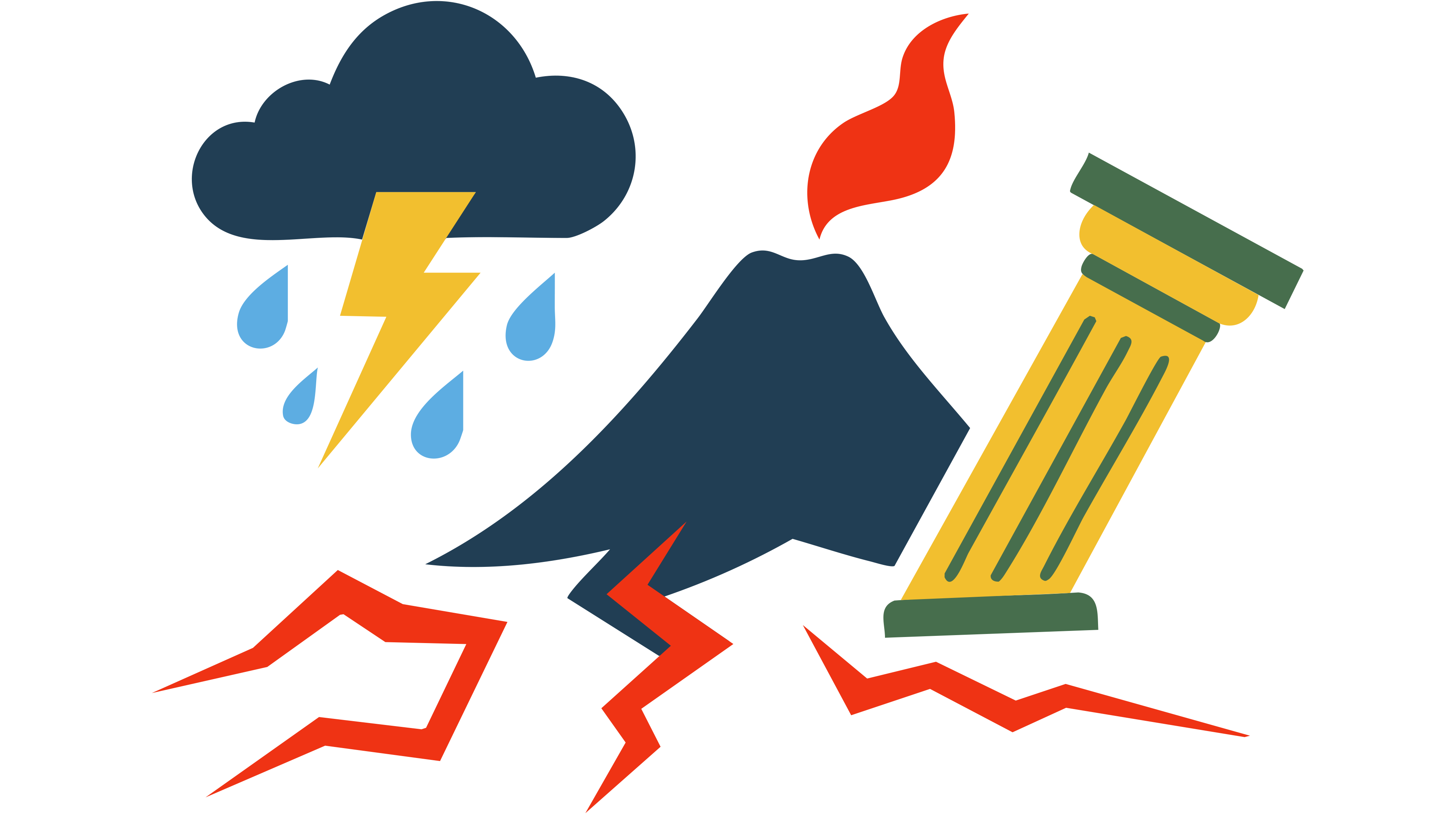
scientific efforts sought to investigate and interpret natural phenomena with profound effects
on human life and health:
meteorological changes, earthquakes, volcanic eruptions. In this sense, South‑Risk aligns
with the most recent
national
and international studies in Environmental History, with particular attention to the impact of
natural disasters on
communities.
The virtual exhibition seeks to highlight scientific research dedicated to understanding
environmental phenomena and to
provide cognitive tools useful for preventing or mitigating the risks of disastrous events. The
analysis focuses on a
specific case study: the scientific output of researchers and institutions in southern Italy
engaged in the study of
meteorological, seismic, and volcanic phenomena between the eighteenth and twentieth
centuries.
Since the southern regions were administered by a single central authority at least until
Italian unification, they can
be considered as a unified object of study, albeit with different developments in specific
areas. This approach makes it
possible to analyze facts and situations not only of local relevance but also of broader,
extraregional scope. The
investigation first examines procedures and instruments for data collection and territorial
surveys; it then turns to
the development of interpretative tools (statistics, censuses) and to the creation of
institutions devoted to the
“knowledge” of the environment.
In this interplay of science, institutions, and communities, South‑Risk restores the
memory of a long tradition
of
observation and prevention, inviting us to reconsider the relationship between humans and the
environment as shared
heritage and collective responsibility.
___Mauro Gargano
South Risk
From data collection to monitoring
interventions and
risk prevention
Project realized by:
University of Bari Aldo Moro
INAF - Astronomical Observatory of Capodimonte
University of Naples Federico II
University of Messina
PROGETTO SOUTH RISK © 2026 ALL
RIGHTS
RESERVED
The exhibition is realized for the project:prin
pnrr
South-Risk
From data collection to monitoring
interventions
and
risk prevention
A southern history
P2022TA5M8
