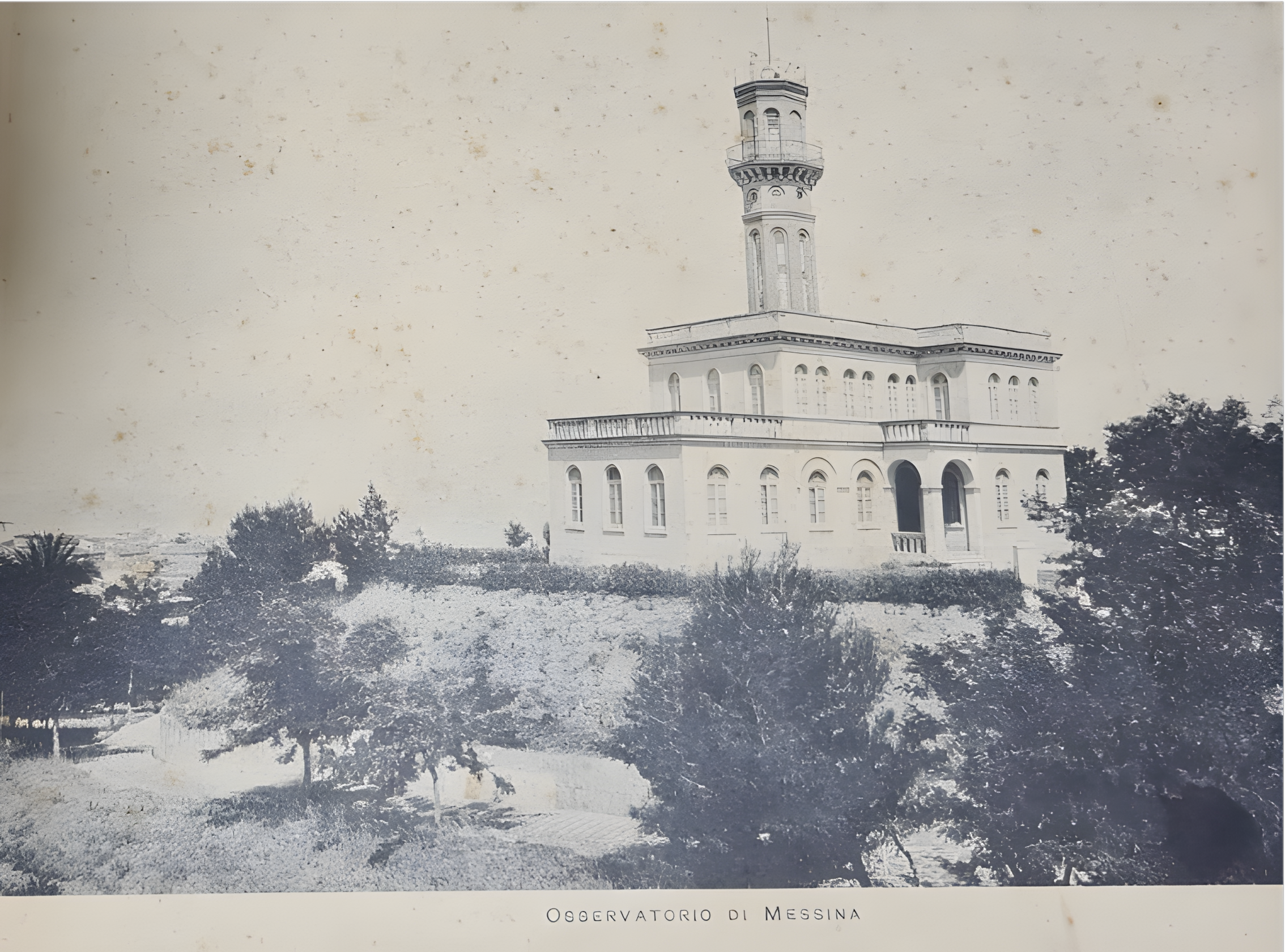
Osservatorio di Messina, divenuto nel 1902 Istituto di Fisica Terrestre e di Meteorologia della Regia Università di Messina
credits: Osservatorio Sismologico - Università degli Studi di Messina

SOUTH RISK
From data collection to monitoring intervention. A southern history
Meteorological and Geodynamic Observatory of Messina: One and a Half Centuries of Scientific Observations
The Meteorological and Geodynamic Observatory of Messina traces its origins back to 1876, when
the city - then one of
the most dynamic scientific centers in southern Italy—recognized the need for a dedicated
facility for astronomical,
meteorological, and geophysical observations. Initially housed within the Nautical Institute,
the Observatory played a
crucial role in determining astronomical time, regulating ship chronometers, and systematically
collecting atmospheric
data, thereby contributing to the development of the earliest national meteorological services.
At the end of the
nineteenth century, the need for a more suitable location for geodynamic research led the
Municipality of Messina to
plan a new building on the Andria Hill. The image shown here, dating to 1902, depicts the
Observatory in its original
form: a structure inspired by neoclassical design, characterized by architectural symmetry,
arched windows, and a
central tower dedicated to astronomical observations. Even at that time, the building
represented a symbol of modernity
and confidence in scientific progress. The following year, in 1903, the Observatory was
entrusted to the Royal
University of Messina and became the Institute of Terrestrial Physics and Meteorology under the
direction of Professor
Giovanni Battista Rizzo. Its activities expanded significantly: innovative instruments for
measuring solar radiation
were introduced, the provincial rain gauge network was strengthened, and equipment for seismic
recordings was enhanced,
marking the institution’s rise as a nationally relevant scientific center. This trajectory of
growth was abruptly
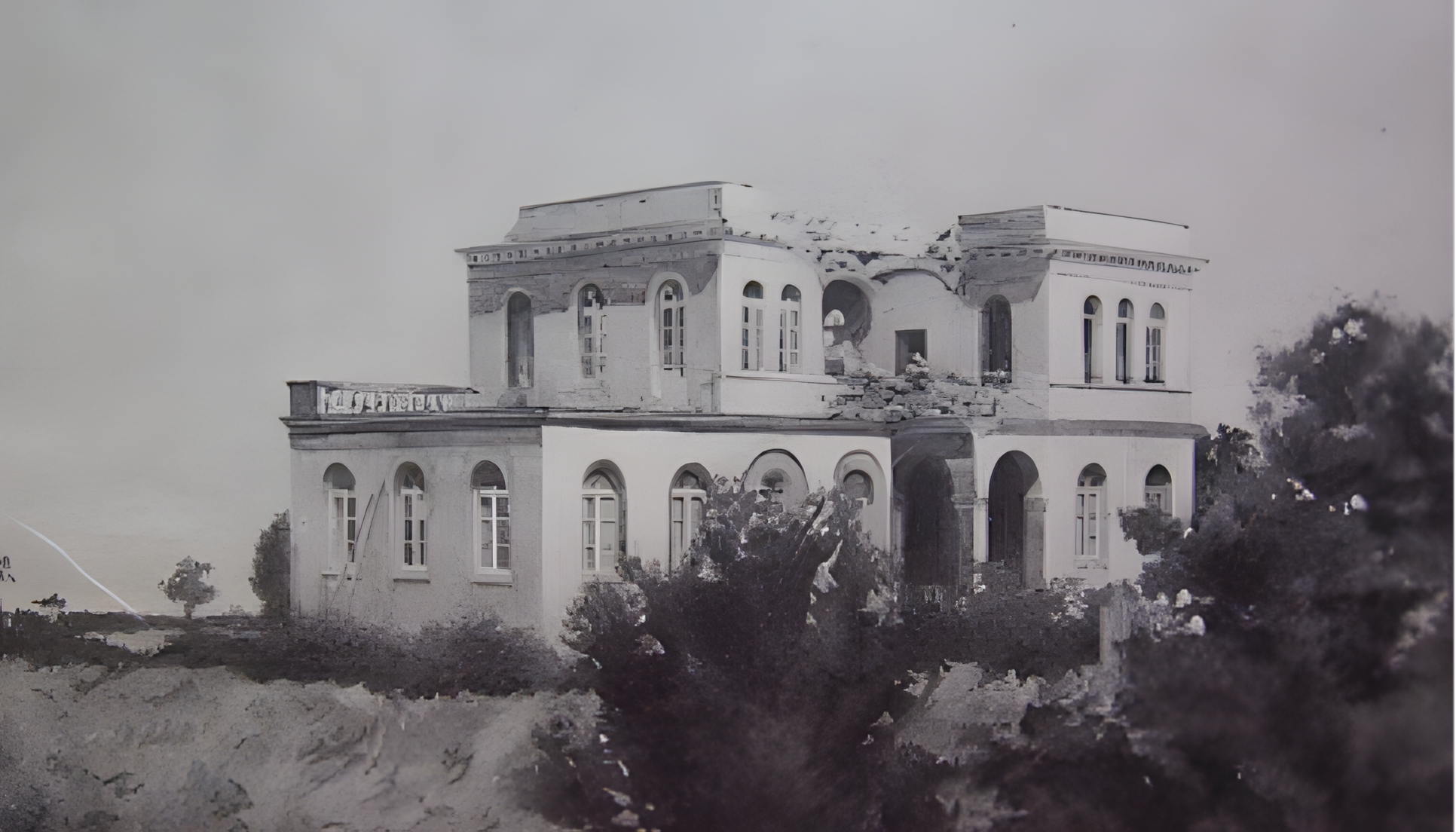
interrupted by the devastating earthquake of 28 December 1908, which destroyed Messina and
Reggio Calabria. The building
- one of the few reinforced concrete structures of its time - survived only partially; the
central tower collapsed upon
itself, destroying the entrance rooms, damaging the scientific instruments, and causing severe
losses among the staff.
Despite the destruction, the only operational seismograph - a Vicentini model - recorded the
main shock in its entirety,
producing data of exceptional value for understanding the earthquake and its generating
mechanisms. The reconstruction
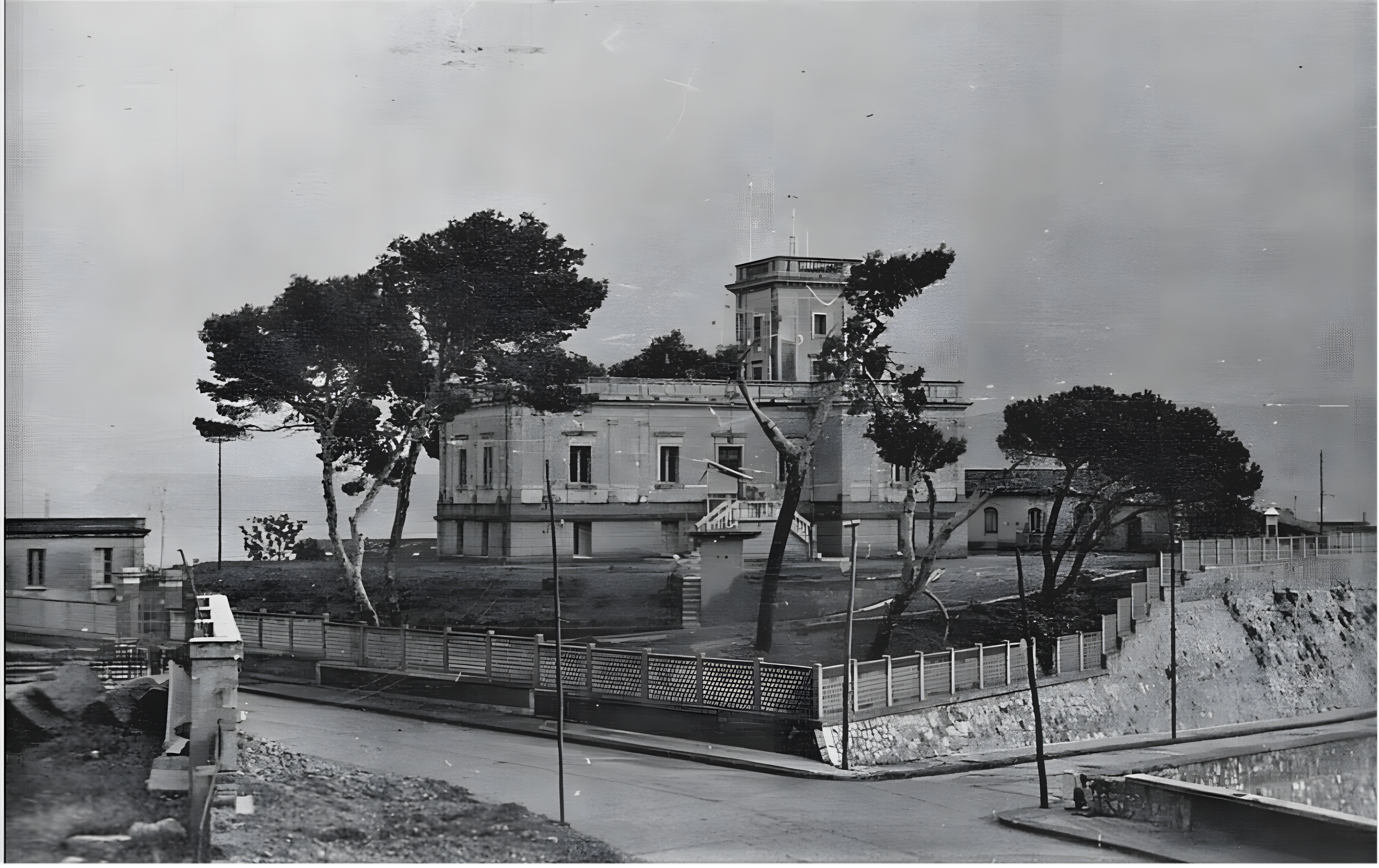
process began in 1910 and led, in 1912, to the reopening of the Observatory in a renewed and
more resilient form,
symbolizing the city’s determination to rise again through science. Since then, the institution
has continuously adapted
to technological innovations and methodological developments in meteorology and geophysics,
navigating complex
historical periods—from the Fascist era and the birth of the Meteorological Service of the
Italian Air Force to today’s
applications in numerical modelling and environmental monitoring. Today, supported by 150 years
of measurements, the
Observatory stands as a scientific and cultural landmark, a custodian of the city’s memory, and
a reference point for
atmospheric, seismic, and climatological studies in the Mediterranean.
___
Maria Teresa Caccamo, Domenica De Domenico, Katia Aragona, Alessandro Boncaldo, Salvatore
Magazù
References
From data collection to monitoring
interventions and
risk prevention
Project realized by:
University of Bari Aldo Moro
INAF - Astronomical Observatory of Capodimonte
University of Naples Federico II
University of Messina
PROGETTO SOUTH RISK © 2026 ALL
RIGHTS
RESERVED
The exhibition is realized for the project:prin
pnrr
South-Risk
From data collection to monitoring
interventions
and
risk prevention
A southern history
P2022TA5M8
